September 07, 2026
How to Care for Your Hair in Summer: Tips for Healthy, Strong & Vibrant Hair
In summer, your hair faces a range of challenges – sunlight, heat, sea salt, chlorinated water, and more frequent washing. In this article, you’ll learn how these factors affect different hair types, what kind of care they need, and which daily habits and products can help keep your hair healthy, strong, and shiny all summer long.
How to Protect Your Hair in Summer: Essential Summer Hair Care Tips
When talking to clients, we often notice that as the weather gets warmer, many people forget that with the changing seasons, it’s not just their wardrobe and skincare routines that naturally change – their hair care routine does too. Changing weather conditions, the environment, and daily routines all affect the condition of your hair.
During the warmer months, our hair is exposed to higher levels of UV rays, heat, sweat, chlorinated pool water, sea salt, air conditioning in cars and offices, more frequent shampooing, and even friction from headwear
In summer, hair often becomes drier and coarser, loses its shine, tangles more easily, or starts to break. Colored hair may lose its color intensity, while natural hair can become dry and less elastic. The good news is that with the right summer hair care routine, you can help protect your hair from sun, heat, chlorine, salt water, and excessive dryness.
Whether you’ve already noticed the effects of warm weather on your hair or are simply looking for ways to protect it, these tips will help keep your hair healthy, hydrated, and vibrant throughout the summer.
What damages hair in the summer?
Hair is composed of proteins (keratin), lipids, and moisture. When environmental factors damage the protective outer layer – the cuticle – hair begins to lose moisture more quickly, becomes more brittle, and its resistance to harmful environmental factors decreases.
The biggest hair “enemies” during the summer:
- UV rays
- Heat and dry air
- Chlorinated pool water
- Sea salt
- Wind
- Increased sweating
- More frequent washing
- Use of hot styling tools (hair dryers, flat irons, curling irons)
- Mechanical friction (towels, headwear, pillowcases)
- Air conditioners
- Fluctuations in humidity
Different hair types react differently to summer conditions, so your summer hair care routine may differ from that of a family member or a friend. Below, we share the most important general tips tailored to different hair types. We can also help you choose a personalized hair care routine during a consultation.
Summer hair care by hair type
Long hair – more care
Longer hair is usually older and naturally more affected by the environment. The longer the hair, the more likely its ends are to become dry. As a result, it tangles more easily, breaks, and loses its shine.
CHS recommendations:
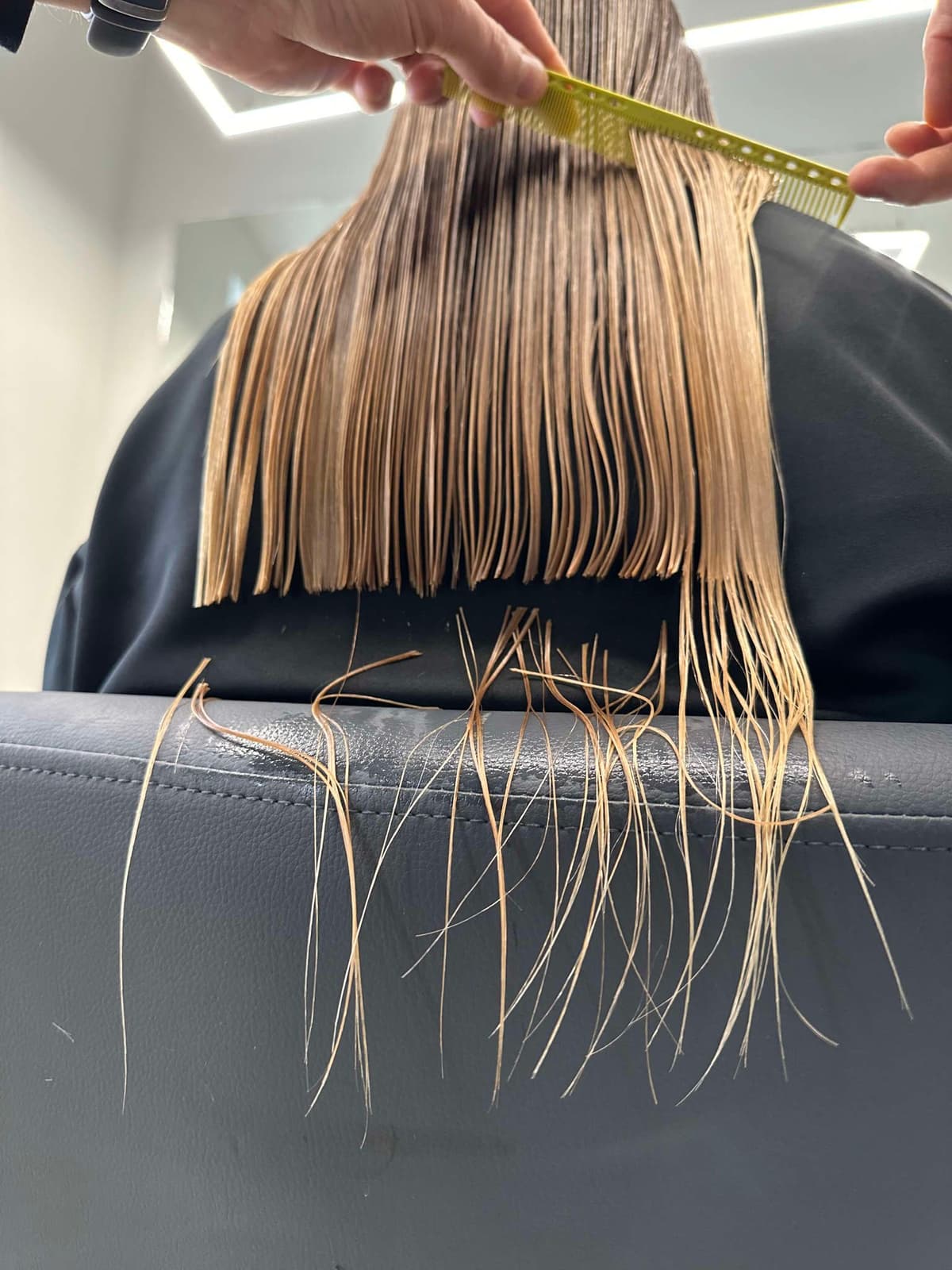
✓ Trim your hair regularly (every 8–12 weeks)
✓ Use moisturizing masks 1–2 times a week. Davines offers effective products for such situations – the MOMO moisturizing conditioner works quickly and provides instant hydration for both natural and colored hair, while the NOUNOU conditioner can help care for both bleached hair and brunettes.
✓ After swimming, rinse your hair with clean water. If you use a SOLU cleansing shampoo, be sure to treat your hair with a mask afterward.
✓ Don’t brush wet hair with fine-toothed or harsh brushes.
✓ Sleep with your hair in a loose braid and use gentle hair accessories.
Short hair – special care
People with short hair tend to think that summer affects them less. However, the scalp is exposed to more UV rays in summer, so it can become irritated and more sensitive to the sun. As a defense mechanism, the scalp may produce more oil, while sweating can cause the hairstyle to lose its shape more quickly.
CHS recommendations:
✓ Protect your scalp from direct sunlight.
✓ Avoid washing your hair too frequently or with harsh products.
✓ Choose lighter styling products.
✓ Exfoliate your scalp regularly.
Colored Hair – extra attention
In summer, colored hair faces a double challenge – UV rays can affect the pigment, while water and heat can increase dryness.
⚪ Lightened and bleached hair are among the most sensitive hair types. Women with this type of hair most often complain of yellowing, dryness, brittleness, and reduced elasticity. That’s why CHS stylists recommend the following:
✓ Use products with violet pigment as needed.
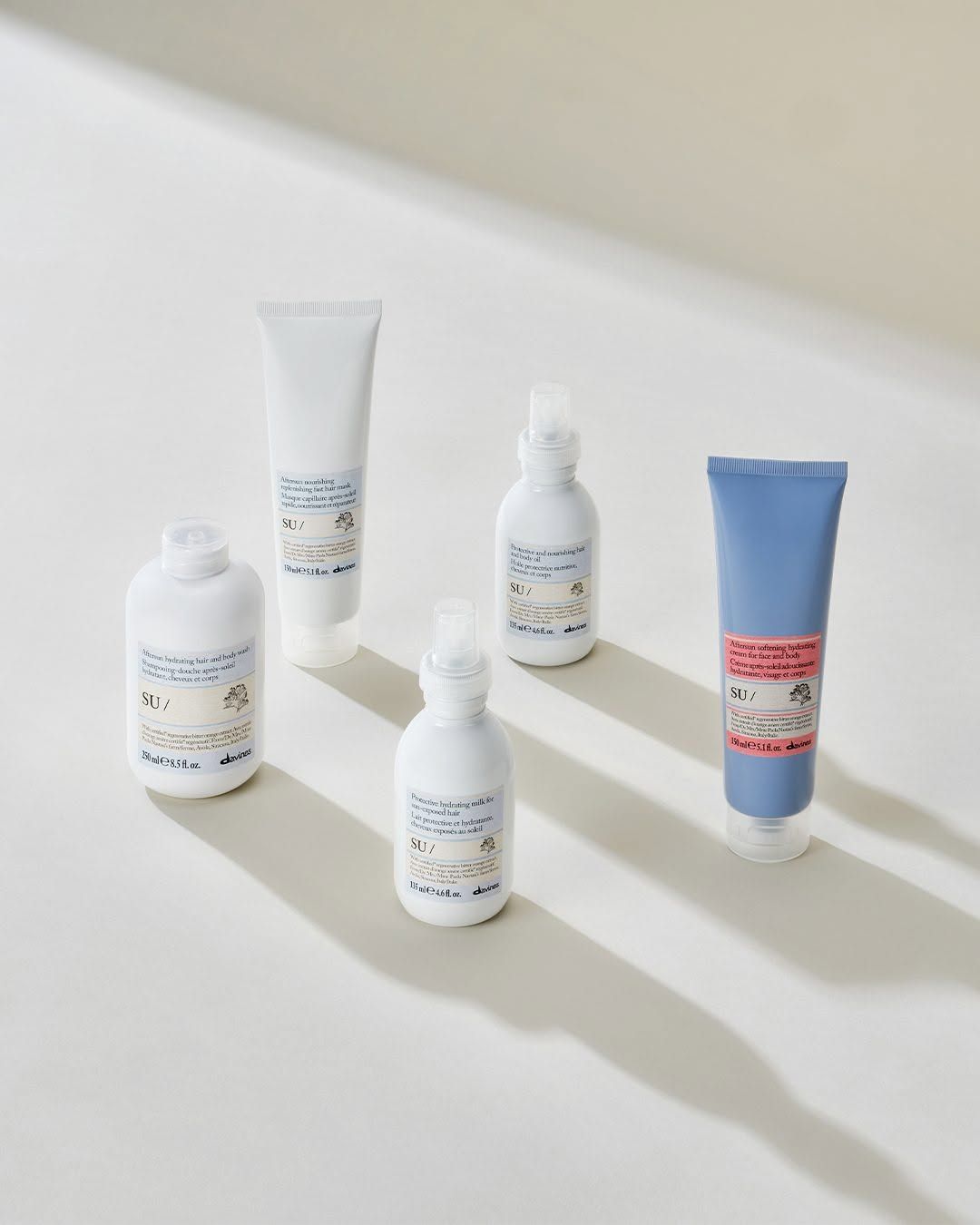
✓ Incorporate moisturizing masks, choose gentle, nourishing shampoos and conditioners, lightweight oils, and products with proteins. The hair and body oil from the new Davines SU line is perfect for this – it will nourish and strengthen your hair without leaving it feeling greasy.
✓ Always use heat protection.
✓ Reduce (or completely avoid) the use of flat irons.
🟣 Those with dark or vibrant-colored hair often notice fading color, a loss of shine, and dryness. In such cases, CHS stylists recommend the following:
✓ Use color-protecting products. We recommend the Davines ALCHEMIC line.
✓ Choose gentler shampoos.
✓ Minimize the use of very hot water and heat styling.
✓ Moisturize your hair thoroughly after sun exposure.
🟢 For fans of balayage coloring, we recommend a more hair-friendly solution during the summer instead of additional lightening. In summer, hair often lightens naturally in the sun, while colored hair can lose moisture and vitality even faster. Therefore, to help keep your hair healthy and shiny during the hot season, a better choice may be to combine hair tinting with the restorative K18 treatment. This way, you can enjoy radiant, hydrated, and well-nourished hair.
Taming Curly Hair
High humidity causes a familiar problem for many people – frizzy hair. This is particularly common among our clients with curly, wavy, or severely damaged (porous) hair.
CHS recommendations:
✓ Use moisturizing products.
✓ Choose leave-in products.
✓ Use a microfiber towel.
✓ Dry your hair with a cooler air setting.
✓ Protect your hair from mechanical friction.
We’ve already written in detail about curly hair care, so you can always check out the full article.
How to protect your hair from the summer heat and sun?
UV Protection – for your hair, too
We’re used to using sunscreen on our skin, but we still tend to forget about our hair. UV exposure can affect the hair’s structure, reduce elasticity, contribute to color fading, and increase dryness and breakage.
CHS recommendations:
✓ Choose hair products with UV filters. We recommend trying the new hair milk with UV filters from the Davines SU line, which helps protect and soften your hair.
✓ Avoid intense sunlight, especially around midday.
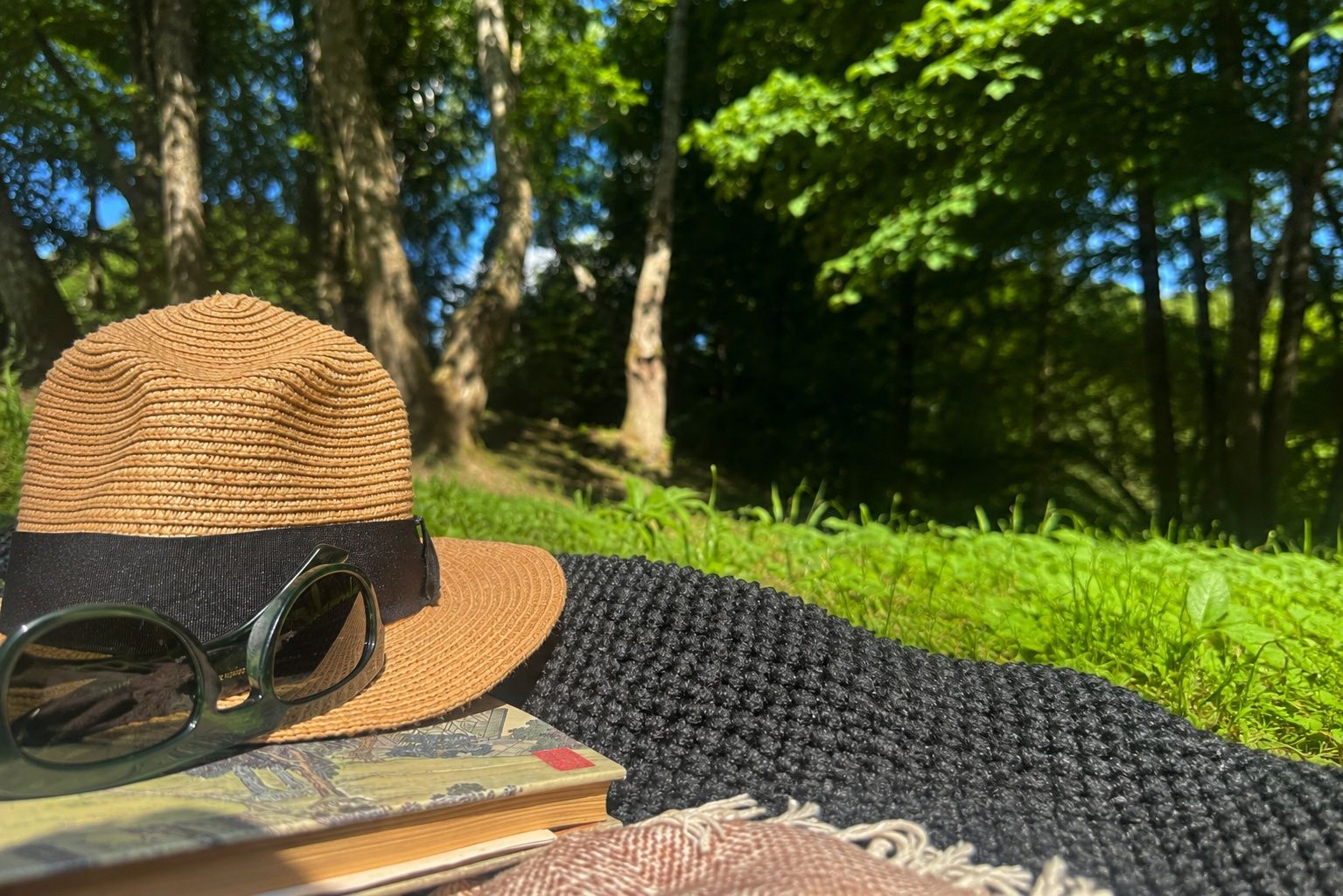
✓ Accessorize your look with scarves, caps, and hats. Just keep in mind that you should choose headwear made from smooth, soft fabric that causes less friction.
✓ It’s not just the fabric that matters, but also how you wear your hair – let your hair hang loosely under the hat, don’t pull it tight, and don’t leave wet hair trapped under the hat.
Pool and sea water: how to minimize hair damage?
In summer, we’re more likely to enjoy water activities, but not all water is good for our hair. Chlorine in swimming pools can dry out hair, alter the shade of colored hair, and make it more brittle. Due to its high salt concentration, seawater can contribute to moisture loss, making hair feel coarser and more prone to tangling. That’s why it’s important to follow a few simple rules when swimming.
Before getting into the pool or the sea, wet your hair with clean water.
Hair can absorb water, so saturating it with clean water beforehand may help reduce the amount of chlorinated or salty water it absorbs. After swimming, you can use SOLU hair-cleansing products.
Rinse your hair as soon as possible after swimming, and use conditioner or a restorative treatment if needed. The Hair Mask for Damaged Hair from the Davines SU line was created specifically for this purpose.
Heat protection is essential not only in summer, but all year round
The sun and hot weather in summer can further exacerbate the effects of hair dryers and straighteners, increasing the risk of hair damage. Heat can weaken the hair’s protein structure, increase dryness, and reduce elasticity.
Don’t forget your scalp
A detail that’s often overlooked but very important is protecting your scalp from the sun. The areas that often get the least attention include the skin along the hairline, hair parting, areas with thinning hair, a receding hairline, and even the skin on the ears and neck, which can be exposed when you’re trying to stay cool.
These areas are among the most vulnerable when exposed to the sun, yet they are often the least protected. A sunburn on the scalp can be extremely painful, so scalp protection should be part of your summer hair care routine.
Specialized products are available, such as the sunscreen from the Davines SU line. Whether you prefer not to cover your head with a hat or cap or simply want additional protection, don’t skip this step in your summer routine.
Key principles:
✓ Always use heat protection;
✓ If possible, let your hair air dry;
✓ Lower the styling temperature;
✓ Don’t use a straightener on damp hair.
Key principles:
✓ Always use heat protection.
✓ If possible, let your hair air dry.
✓ Lower the styling temperature.
✓ Don’t use a straightener on damp hair.
Nutrition and hydration – key factors in hair quality
The condition of your hair is influenced not only by external care but also by other daily choices:
✓ Adequate water intake. Dehydration can affect the appearance of your hair – it may look duller and less elastic.
✓ A varied and balanced diet that includes sufficient amounts of protein, micronutrients (iron, zinc, etc.), and omega-3 fatty acids.
Summer hair care routine: a simple plan
Daily Hair Care:
- Gentle moisturizing shampoo and conditioner
- UV protection
- Heat protection
- Gentle detangling
- Adequate hydration
1–2 times a week:
Moisturizing mask
More intensive restorative care as needed. One of the effective ways to support damaged hair is a professional treatment using the K18 biomolecular restorative mask. The treatment is designed to work at the molecular level to help restore damaged hair. You can have this treatment done at our salon.
After swimming:
- Rinse with clean water
- Conditioner or restorative treatment if needed
Every 8–12 weeks:
- Trim the ends
The most important rule for summer hair care
In summer, your hair usually doesn’t need more products – it needs more consistency.
Sun protection, hydration, minimizing heat exposure, proper care tailored to your hair type, and a quick response to the first signs of dryness can help keep your hair healthy, vibrant, and shiny throughout the season.
Healthy summer hair care doesn’t start when a problem has already arisen – it starts with prevention and a consistent daily routine.
The CHS philosophy
Regular trims every 8–12 weeks, combined with personalized seasonal care, can help maintain long-lasting, sustainable results.
We work to ensure you have to put in less effort every day, and that your hairstyle brings you joy for longer.
If you’re looking for deeper restoration or some dedicated “me time,” we offer personalized hair and scalp treatments at our studio, tailored specifically to your hair’s needs and the summer season.
Want to take care of your hair and your well-being?
Book a haircut or a personalized consultation with the stylists at Creative Hair Stories.
Booking: https://chs.lt/en/services
To test or purchase the aforementioned products, do not hesitate to contact us.